CipherWatch Home

Category

Cybercrime & Law Enforcement

11 articles

Nothing Is Ever Really Gone: The Persistent Digital Residue That Survives Your Delete Key

Nothing Is Ever Really Gone: The Persistent Digital Residue That Survives Your Delete Key

Emptying your trash folder does not delete your files — it simply removes the signpost pointing to them. Beneath the surface of every computer, smartphone, and cloud account lies a stratum of recoverable data that most users never know exists: EXIF metadata embedded in photographs, browser cache artifacts, volume shadow copies, and cloud backup remnants that persist long after the original files appear to have vanished. CipherWatch investigates what forensic tools can recover, and what you must


Profiled Without Consent: The Data Broker Economy Feeding Your Background Check

Profiled Without Consent: The Data Broker Economy Feeding Your Background Check

A largely invisible industry aggregates, packages, and sells detailed consumer profiles to employers, landlords, and screening companies—often with errors that derail job applications and housing approvals before applicants ever know a report was run. CipherWatch examines what is being collected, who is buying it, and how Americans can begin to challenge the dossiers compiled in their names.

Open Door Policy: How Cybercriminals Are Turning Legitimate Remote-Access Tools Against You

Open Door Policy: How Cybercriminals Are Turning Legitimate Remote-Access Tools Against You

Remote-desktop software and VPN clients were engineered to make distributed work seamless — but the same features that grant IT teams instant access to a struggling employee's machine also hand determined attackers a ready-made foothold. CipherWatch examines how threat actors weaponize trusted remote-access platforms, what real-world breaches reveal about their tactics, and the concrete steps organizations and home users can take to harden their exposure.

Invisible Ink: The Hidden Data Embedded in Your Photos That Tells Strangers Exactly Where You've Been

Every photograph you take with a smartphone or digital camera carries far more information than the image itself — embedded metadata can reveal your precise GPS coordinates, the device you used, and even the time you woke up. Threat actors, stalkers, and data brokers routinely harvest this invisible layer of information from publicly shared files. This guide breaks down what EXIF data exposes, how it has been weaponized in documented cases, and what you can do right now to stop the leak.

Tapped, Tricked, Infected: How Push Notifications Became a Prime Vector for Cyberattacks

Tapped, Tricked, Infected: How Push Notifications Became a Prime Vector for Cyberattacks

What began as a convenience feature has quietly evolved into one of the most underestimated delivery mechanisms in a cybercriminal's toolkit. Push notifications — those brief, banner-style alerts that appear on your phone or desktop — are increasingly being spoofed, hijacked, and weaponized to distribute malware and phishing links. Understanding how these attacks work is the first step toward neutralizing them.

Forged by Algorithm: How AI-Crafted Fake IDs Are Defeating Identity Verification Systems

Forged by Algorithm: How AI-Crafted Fake IDs Are Defeating Identity Verification Systems

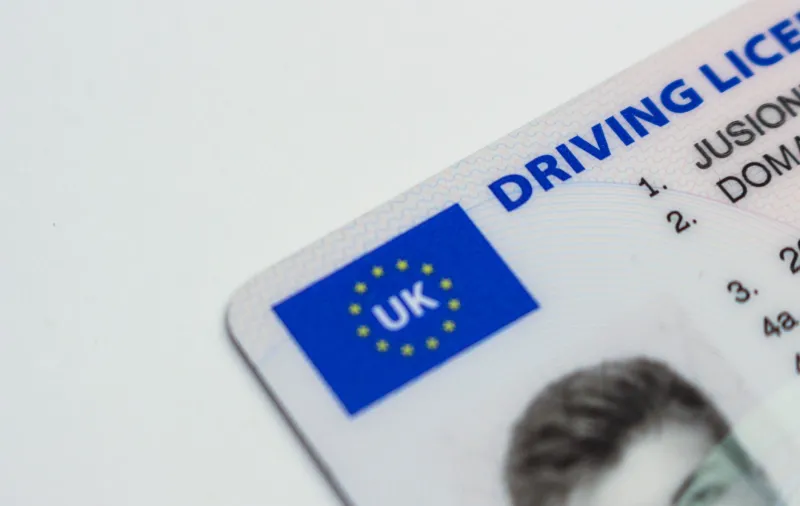
Generative AI has handed document forgers a capability that was once the exclusive domain of nation-state actors — the ability to produce photorealistic fake passports, driver's licenses, and official credentials at scale. Financial institutions, employers, and identity-verification platforms are now scrambling to adapt as AI-forged documents infiltrate systems that were never designed to detect them.

Exposed in the Exam Room: The Dark Web Market for Stolen Medical Records and What It Means for Patients

Exposed in the Exam Room: The Dark Web Market for Stolen Medical Records and What It Means for Patients

Healthcare data breaches have surpassed financial-sector incidents as some of the most damaging cyberattacks in the United States, and the consequences for patients extend far beyond embarrassment. When medical records surface on dark web marketplaces, the downstream risks range from insurance fraud and prescription abuse to identity theft and targeted extortion — often years after the original breach.

Synthetic Faces, Real Consequences: Recognizing AI Impersonation Before It Strikes

Synthetic Faces, Real Consequences: Recognizing AI Impersonation Before It Strikes

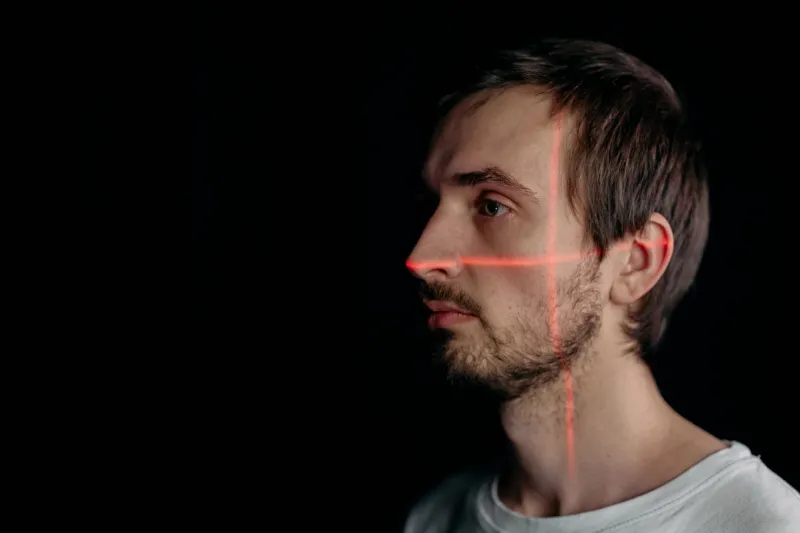
Deepfake technology has moved far beyond viral internet novelties — today it fuels sophisticated fraud schemes targeting corporations, individuals, and even courtrooms. CipherWatch examines the telltale signs of AI-generated impersonation, the detection tools available to everyday users, and the high-stakes cases that reveal just how convincing synthetic media has become.

When the Scam Writes Itself: How AI Is Supercharging Social Engineering Attacks

When the Scam Writes Itself: How AI Is Supercharging Social Engineering Attacks

Artificial intelligence has handed cybercriminals a tool capable of crafting eerily convincing phishing emails, cloned voices, and deepfake video calls at industrial scale. Traditional security awareness training was designed for a different era — one where grammatical errors and suspicious sender addresses were reliable red flags. Understanding how these AI-driven attacks are engineered is now a prerequisite for anyone who receives email, answers phone calls, or clicks links.

Encrypt, Expose, Extort: Inside the Double-Extortion Tactics Redefining Modern Ransomware

Encrypt, Expose, Extort: Inside the Double-Extortion Tactics Redefining Modern Ransomware

Ransomware has mutated far beyond the file-locking schemes that first alarmed IT departments a decade ago. Today's criminal operations steal sensitive data before encrypting it, then threaten public exposure on dedicated leak sites — a pressure tactic that has fundamentally altered the calculus of incident response for hospitals, schools, and corporations across the United States.

The Illusion of the Shadows: How Federal Agents Are Dismantling the Dark Web's Myth of Anonymity

The Illusion of the Shadows: How Federal Agents Are Dismantling the Dark Web's Myth of Anonymity

Federal agencies have spent the past two years methodically tearing apart the infrastructure of dark web criminal marketplaces, exposing a fundamental truth: the anonymity these platforms promise is, for most users, a dangerous fiction. CipherWatch examines the investigative techniques, forensic breakthroughs, and operational security failures that have led to dozens of high-profile arrests — and explains why the architecture of the dark web has never been as impenetrable as its mythology sugges